
The "How" of In-Home Audiology: What Actually Happens (and Why It's Just as Accurate as the Clinic)
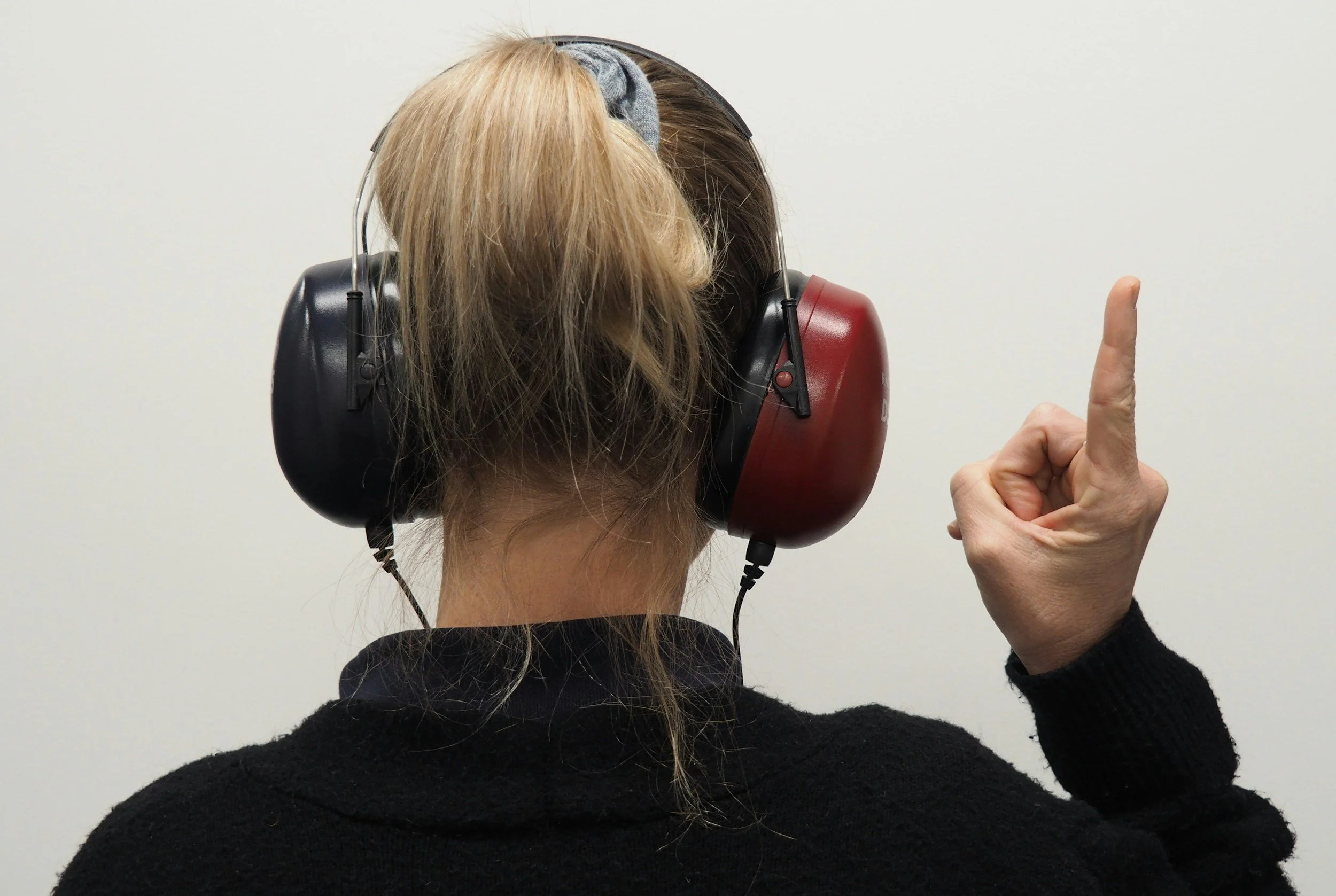
This is the second of three posts on in-home and telehealth audiology. In the first post, I talked about why in-home audiology works and who it's for. Here, I want to answer the two questions I get most often: "Can a hearing test in my living room really be as accurate as one in a clinic?" and "What actually happens during a visit?" In the final post, we'll dig into how telehealth fits into the picture.
When I tell people I do full diagnostic hearing testing in their homes, the reaction is almost always some version of the same question: "But don't you need that little soundproof room?"
It's a fair question. If you've ever had your hearing tested, you probably remember sitting in a cramped sound booth, raising your hand or pressing a button every time you heard a beep. So it's natural to assume the booth is the magic ingredient. It isn't. Let me explain why.
Why the sound booth isn't the thing that makes a hearing test accurate
Here's something that surprises a lot of people, including some healthcare providers: there is no rule that says a hearing test has to happen in a prefabricated booth.
The actual standard (set by ANSI, the organization that defines these things) doesn't require a booth at all. It simply defines an audiometric test space as "an enclosed space used for hearing testing," and it sets limits on how much background noise is acceptable during the test. In other words, the booth was never the point. The booth is just one way to keep background noise low enough that we can measure your hearing accurately.
And it turns out there are other, equally valid ways to do that.
How I keep an in-home test accurate
Getting an accurate hearing test outside a booth comes down to two things, and I build both into every in-home visit.
Blocking out background noise. I use high-attenuation insert earphones - the kind that seal gently in your ear canal. Research has shown that earphones like these block ambient noise on par with a single-walled sound booth. Rather than relying on the room to keep sound out, I'm keeping it out right at your ear.
Measuring the noise that's left. This is the piece most people don't realize exists. I actively monitor the background noise level in the room during your test. If a truck rumbles by, the dog barks, or the refrigerator kicks on, I know about it — and I know whether it's quiet enough to trust the results. Studies of boothless testing have found that this combination of strong attenuation plus real-time noise monitoring produces results comparable to testing done in a sound booth.
Put simply: I don't need your home to be perfectly silent. I need to control the noise at your ear and keep an eye on the rest — and modern portable equipment lets me do exactly that. Before we start, I'll also pick the quietest suitable spot in your home and take a moment to set the space up for testing. You'd be surprised how well a normal, quiet room works.
What an in-home appointment actually looks like
So, from the moment I ring your doorbell to the moment I leave, here's how a visit tends to go.
I arrive and we talk. No waiting room, no clipboard at a front desk. We sit down together and I get to know you, your history, your health, and most importantly, what's actually bothering you. Where are you struggling to hear? Restaurants? Church? Your grandkids on the phone? This conversation shapes everything that follows, and it's the part that so often gets rushed in a busy clinic. In your home, we have the time to do it right.
I look at your ears. I'll take a look in your ear canals to check for anything that might be affecting your hearing, like earwax, for example, is a common and very fixable culprit.
We do the hearing test. I set up my portable equipment, get you comfortable with the insert earphones, and we run the same set of diagnostic tests you'd get in a clinic. You'll listen for tones, repeat back words, and I'll measure how your hearing is working across the range of pitches that matter for understanding speech.
We go over your results together, right then. This is one of my favorite parts of the in-home model. I put your audiogram in front of you and walk you through exactly what it means, in plain language, while you're relaxed in your own space. No rushing off to the next appointment.
We make a plan. Based on what we find and the goals you shared, we talk through your options and build a plan that fits your life. Sometimes that means hearing aids. Sometimes it means other strategies, a referral, or simply peace of mind. Whatever it is, you'll leave the conversation knowing your next step.
And because I'm in your home, I can see things a clinic never shows me: the layout of the rooms where you spend your time, how you watch TV, where conversations happen, and any safety or mobility concerns worth noting. It all feeds into better, more personal care.
Accurate, unhurried, and built around you
The takeaway is simple: an in-home hearing test isn't a watered-down version of "the real thing." Done correctly - with the right equipment and the right attention to background noise - it's every bit as accurate as a test in a clinic booth. And it comes with something a booth can never offer: your results explained without rushing, in the comfort of your own home, by an audiologist who took the time to understand your life.
In my next and final post in this series, we'll look at how telehealth extends this care even further - handling many follow-ups and adjustments over a quick video visit, so you spend even less time traveling and more time hearing well.
If you're curious whether in-home hearing care is right for you, we'd love to talk. Give Sono Audiology a call at (503) 395-0182 to schedule your first appointment or just ask a few questions — we're always happy to help.
Sono Audiology provides in-home and telehealth audiology across Gresham, Portland, and the surrounding Multnomah and Clackamas County communities.
